A car with 100,000 highway miles may look and feel healthier than another vehicle with fewer miles spent on short trips. That surprises drivers who assume every mile creates the same amount of wear. Engine temperature, operating hours, traffic, braking, and road conditions all change the picture. Long highway trips often have advantages, but steady speed doesn't make a vehicle immune to mechanical problems or overdue maintenance.
Cold Starts Are Harder on Some Engine Systems
An engine takes time to reach its intended operating temperature after starting. During warm-up, fuel delivery, oil temperature, and emissions-system operation differ from steady running. A two-mile errand may end before the engine and its oil are fully warm. Repeating that pattern can leave moisture or fuel contamination in the oil longer than a longer trip under comparable conditions.
Compare six separate two-mile starts on a cold day with one continuous 40-mile drive. Both cover roughly the same distance, but the short trips spend much more time with cold components and an engine that hasn't settled into normal operation. That difference is relevant to a Sanford driver's maintenance schedule.
Highway travel generally provides more uninterrupted time at operating temperature, which helps reduce some short-trip effects. That doesn't mean a hard cold start automatically damages the engine, or that every short commute requires an unusually frequent oil change. The manufacturer's maintenance schedule and severe-service definitions remain the starting point. During an inspection, we consider actual use, oil level, and engine condition before adjusting recommendations.
Highway Driving Usually Means Fewer Braking Cycles
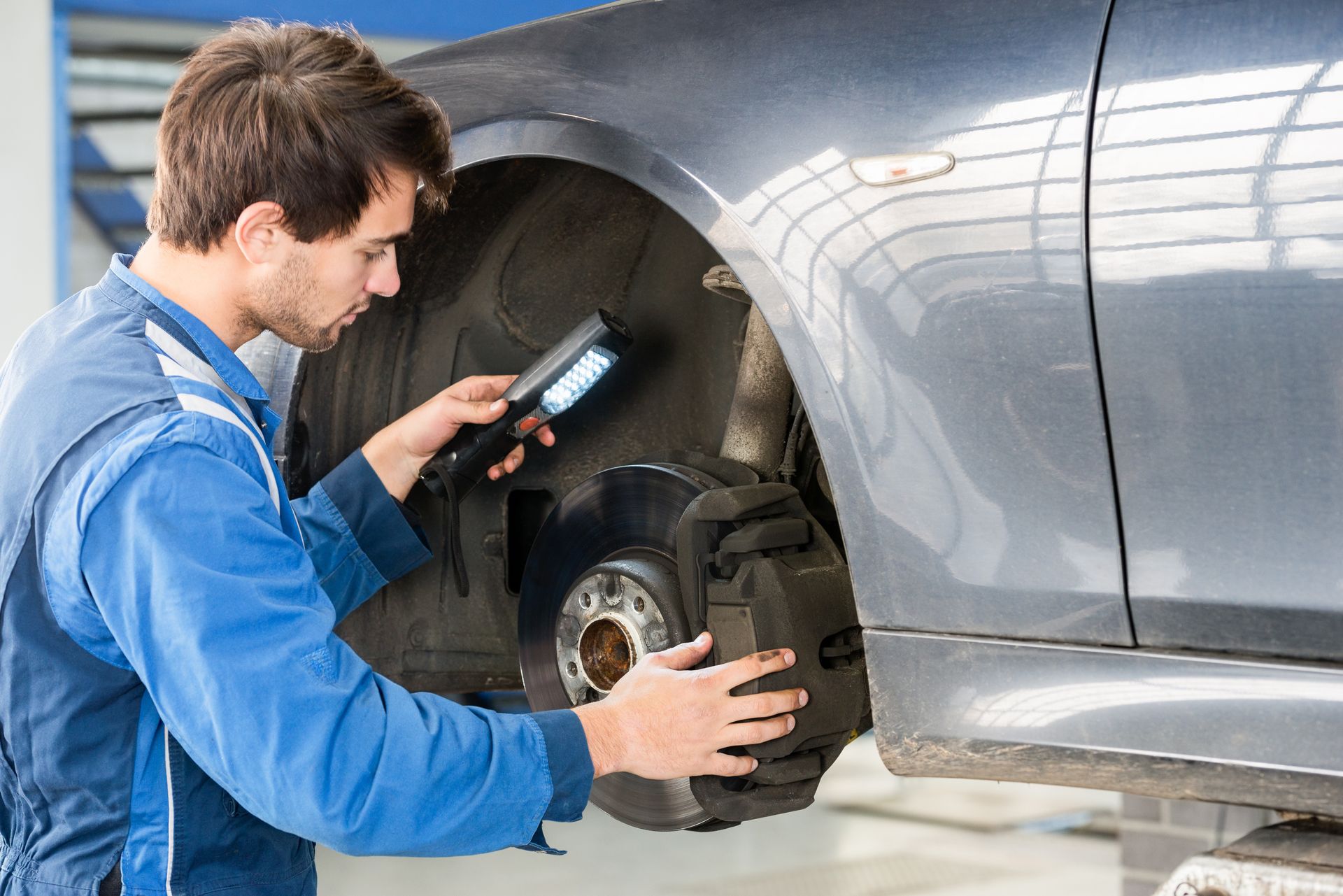
A car traveling steadily for an hour may need fewer brake applications than one crossing town through dozens of stoplights. Every stop converts motion into heat through the brakes. Repeated acceleration also asks the engine and transmission to change output frequently. In that sense, a steady journey often places less repeated cycling demand on certain systems than crowded city driving over the same distance.
That advantage disappears if traffic on the highway keeps stopping abruptly or a driver brakes heavily on long downhill grades. Brake wear also depends on vehicle weight, driving habits, and whether a hybrid uses regenerative braking. Brake wear is judged by actual condition, not the assumption that highway mileage is always gentle. A driver with mostly interstate mileage can still develop seized caliper hardware, corroded rotors, or a hydraulic leak.
Battery Charging Benefits From Longer Trips
Starting the engine takes energy from the 12-volt battery. Once the engine runs, the charging system replenishes it according to the vehicle's design and current electrical demand. Short trips may not provide enough time to recover energy used for repeated starts, particularly during cold weather with lights and defrost running. Longer journeys often provide more opportunity for the charging system to maintain the battery.
However, a long drive cannot repair a battery that has lost capacity or an alternator that isn't working correctly. Modern charging systems may also adjust output based on temperature and battery management strategy. If you need frequent jump-starts, testing the battery, cables, and charging system is better than deliberately driving extra miles. Routine maintenance includes checking connections and responding to slow cranking before it becomes a no-start problem.
Engine Oil Still Ages During Steady Cruising
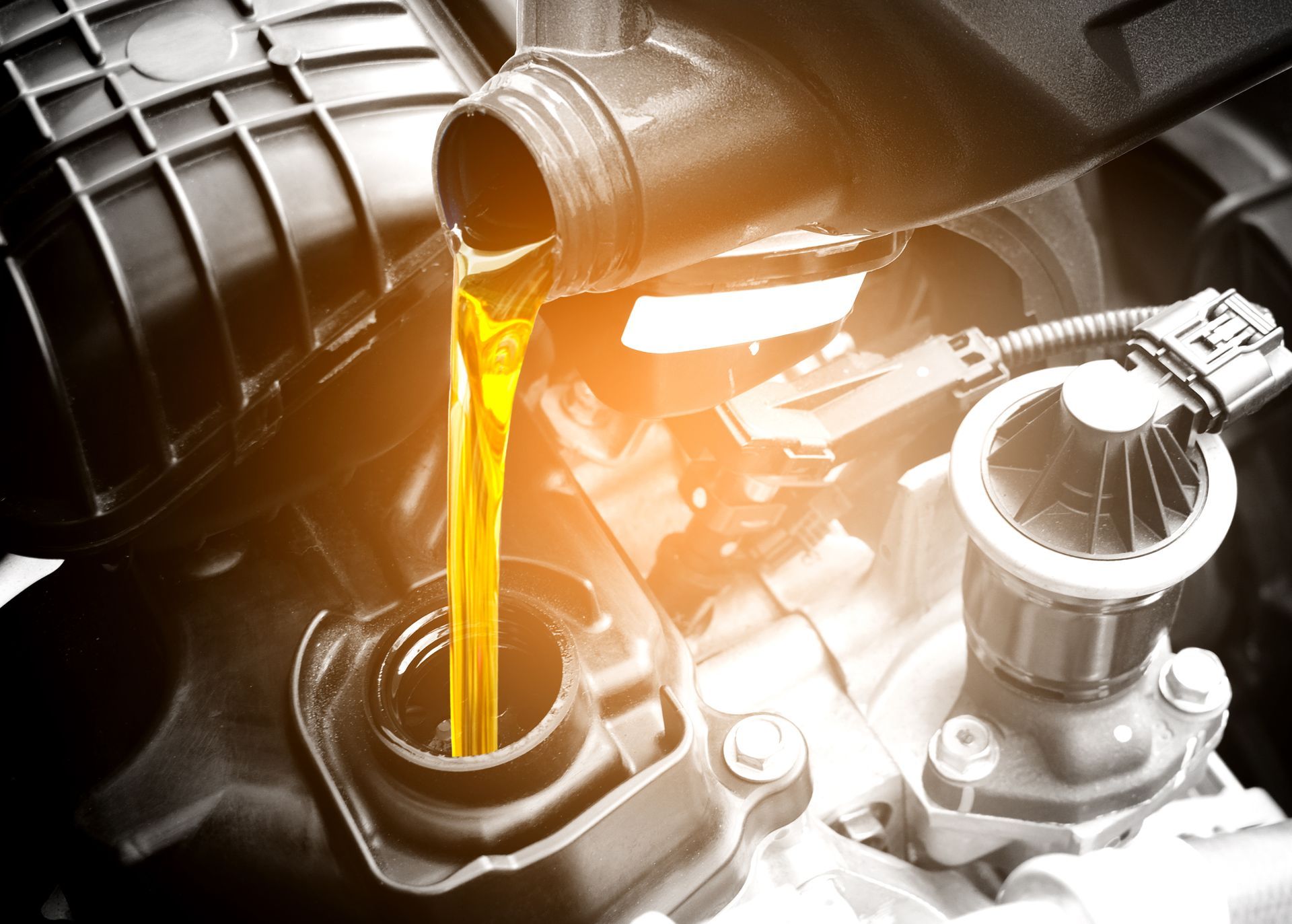
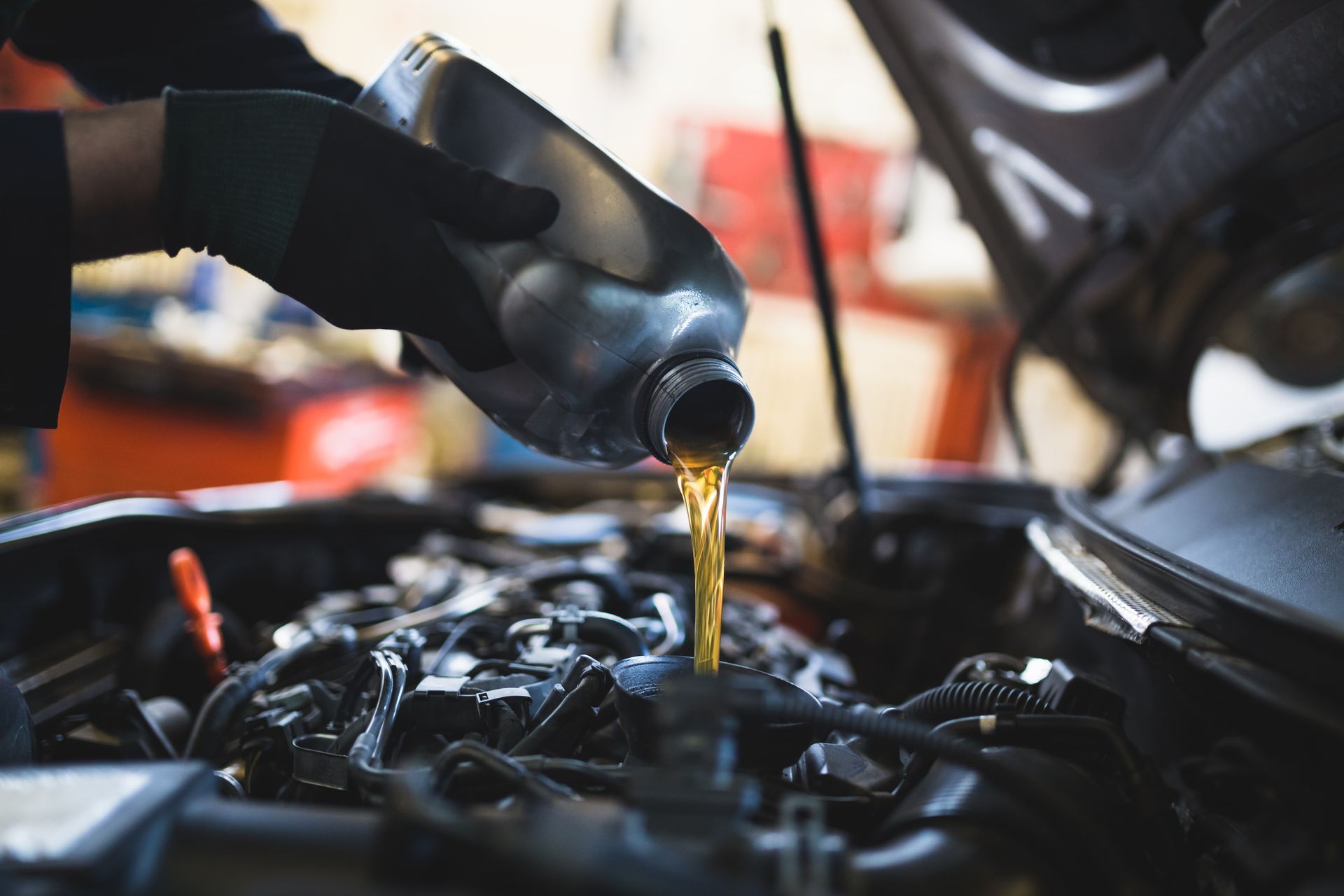
Long highway travel allows oil to reach stable temperatures, but the engine still accumulates hours and mileage. Bearings, piston rings, and other components remain in motion throughout the journey. Towing, steep grades, high ambient temperatures, and sustained high speed increase load and thermal demand. A vehicle with frequent long trips still needs oil and filter service according to its engine's requirements.
An oil-life monitor may account for operating conditions, but it doesn't necessarily measure the oil's chemistry directly. Check the level between changes because some engines consume oil without leaving a visible leak. The factory oil specification, scheduled interval, and any consumption history belong in the maintenance decision. Highway mileage is a favorable operating pattern in some respects, not permission to exceed the approved service limits.
Tires and Suspension Respond to Road Conditions
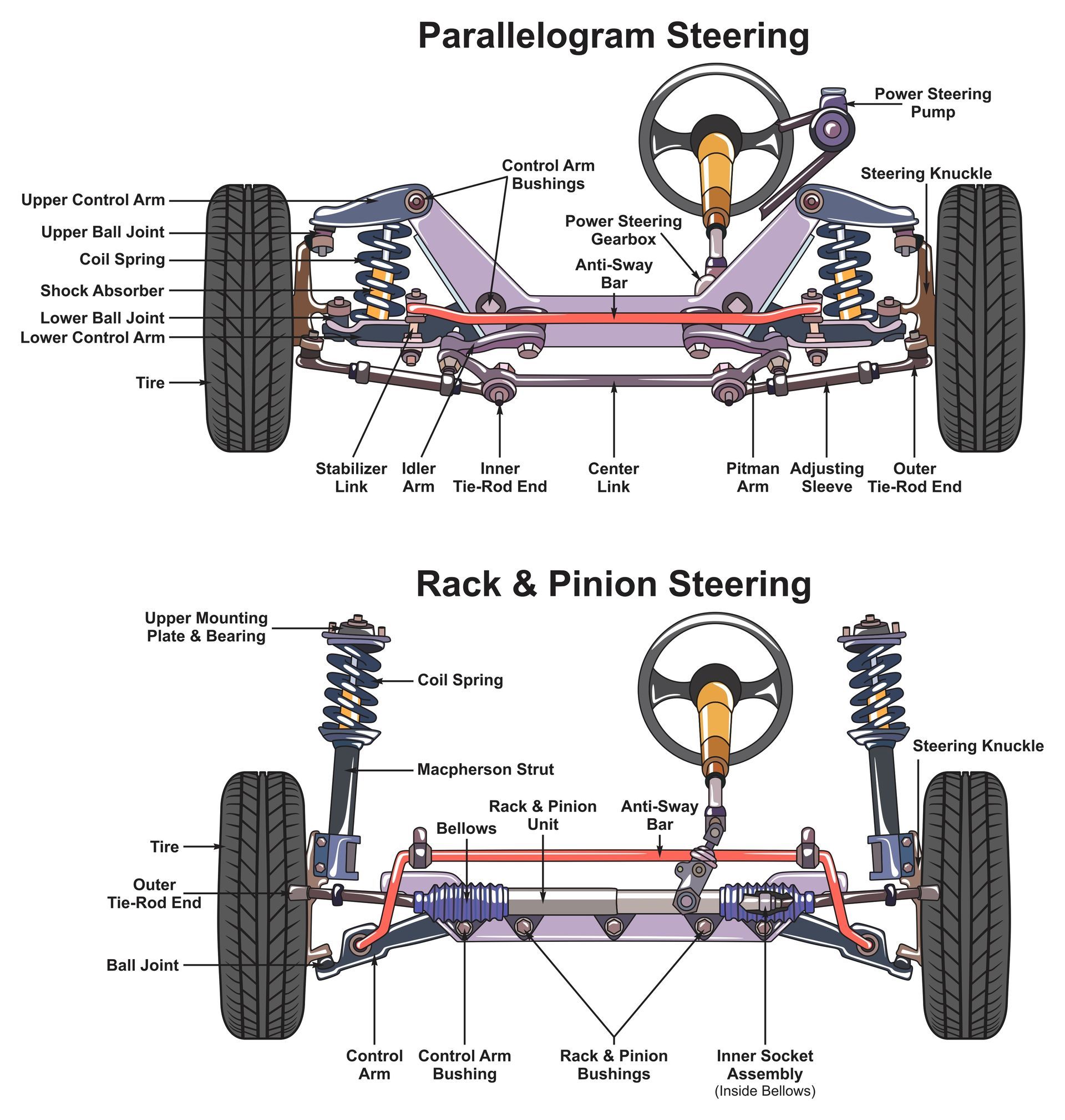
Highway miles aren't automatically gentle on tires. Incorrect pressure, misalignment, and worn shocks produce abnormal tread wear during long steady trips. Pothole impacts and rough pavement damage components regardless of the trip length. High speeds also create sustained heat in tires, so proper loading, inflation, and tire condition are important before a long journey with passengers and luggage.
City trips involve more low-speed turns, parking maneuvers, and contact with curbs, which create different suspension demands. Steering changes, vibration, and tire wear help narrow a chassis inspection. A car that seems stable at 30 mph may reveal a tire imbalance or weak damper on the highway. Tire service intervals and alignment decisions come from the vehicle's condition, not simply the percentage of its mileage driven on interstate roads.
Condensation forms inside exhaust systems as engines cool. Frequent trips that never heat the exhaust thoroughly can allow moisture to remain longer, contributing to corrosion under some conditions. A longer warm drive often helps evaporate that moisture. The degree of corrosion also depends on road salt, exhaust design, and age, so short trips don't guarantee an early muffler failure.
Climate systems experience a different pattern. Short trips involve frequent heating and cooling of the cabin, while longer drives run the fan and other components continuously. Neither pattern eliminates the need for cabin filter maintenance, A/C checks, or cooling-system inspection. If you notice unusual exhaust noise, damp odors, or reduced defrost performance, those symptoms need specific evaluation. A long drive isn't a substitute for repairing a leak or failed component.
Compare Mileage With Time and Driving Conditions
One odometer number doesn't describe how a vehicle has been used. Two cars with equal mileage may have very different engine hours, cold starts, idle time, and braking cycles. Commercial vehicles and engines used for long idling periods are especially good examples. Service records often tell more than mileage alone because they show which problems were corrected and which scheduled services were completed.
Get Driving Pattern and Maintenance Review in Sanford, NC, With Integrated Automotive
Integrated Automotive in Sanford, NC helps drivers plan maintenance around their real driving patterns. We review the vehicle's condition, service history, and upcoming travel needs.
Call
Integrated Automotive or schedule an appointment online.