Fall is an easy season to underestimate when it comes to car maintenance. The extreme heat of summer is fading, winter weather may still feel far away, and your vehicle might seem like it is running perfectly fine. From our perspective at the shop, though, fall is one of the best times of year to give your car some attention.
Your vehicle has just spent months dealing with hot pavement, summer road trips, heavy air conditioning use, construction zones, and high underhood temperatures. At the same time, cooler mornings, shorter days, rain, fallen leaves, and eventually freezing temperatures are on the way.
A little maintenance now can help you catch wear before winter makes it more noticeable. Here are 10 fall car care tips we recommend checking off before the season gets too far along.
1. Check Your Tire Pressure As Temperatures Drop
One of the first things many drivers notice in fall is a tire pressure warning light. Cooler air causes tire pressure to decrease, so a tire that was properly inflated during a hot summer afternoon may read lower on a cold fall morning.
Check your tire pressure when the tires are cold and compare it with the recommendation listed on the sticker inside the driver door area. Do not use the maximum pressure printed on the tire sidewall as your target.
While you are there, inspect the tires for cuts, cracking, bulges, nails, and uneven wear. Fall rain can make worn tires much more noticeable, especially when water begins collecting on the road.
2. Take A Close Look At Your Tread
Tire pressure is only part of the story. Your tires also need enough tread to move water away and maintain traction on wet pavement.
Look across the entire width of each tire rather than checking only one spot. Wear on the inner or outer edge can point to an alignment or suspension problem, while wear in the center may be related to inflation.
If you live somewhere that sees snow or freezing weather later in the year, fall is also the right time to think about whether your current tires are suitable for winter. Waiting until the first storm often means making that decision when everyone else is trying to do the same thing.
3. Test The Battery Before The First Really Cold Morning
Drivers often blame winter for killing batteries, but summer heat can do plenty of damage first. High temperatures can accelerate internal battery wear, then colder weather exposes the weakness when the engine needs more power to start.
Watch for slow cranking, dim lights during startup, electrical systems resetting, or a battery warning light. Even without obvious symptoms, testing an older battery during fall can give you a better idea of how much life it has left. We also check the terminals and cables for corrosion, looseness, and damage. A healthy battery cannot do its job well if the electrical connections are poor.
4. Inspect Your Brakes Before Wet And Slippery Roads Become Common
Fall driving often means rain, wet leaves, earlier sunsets, and changing traffic conditions. You want the braking system working consistently when traction is already less predictable.
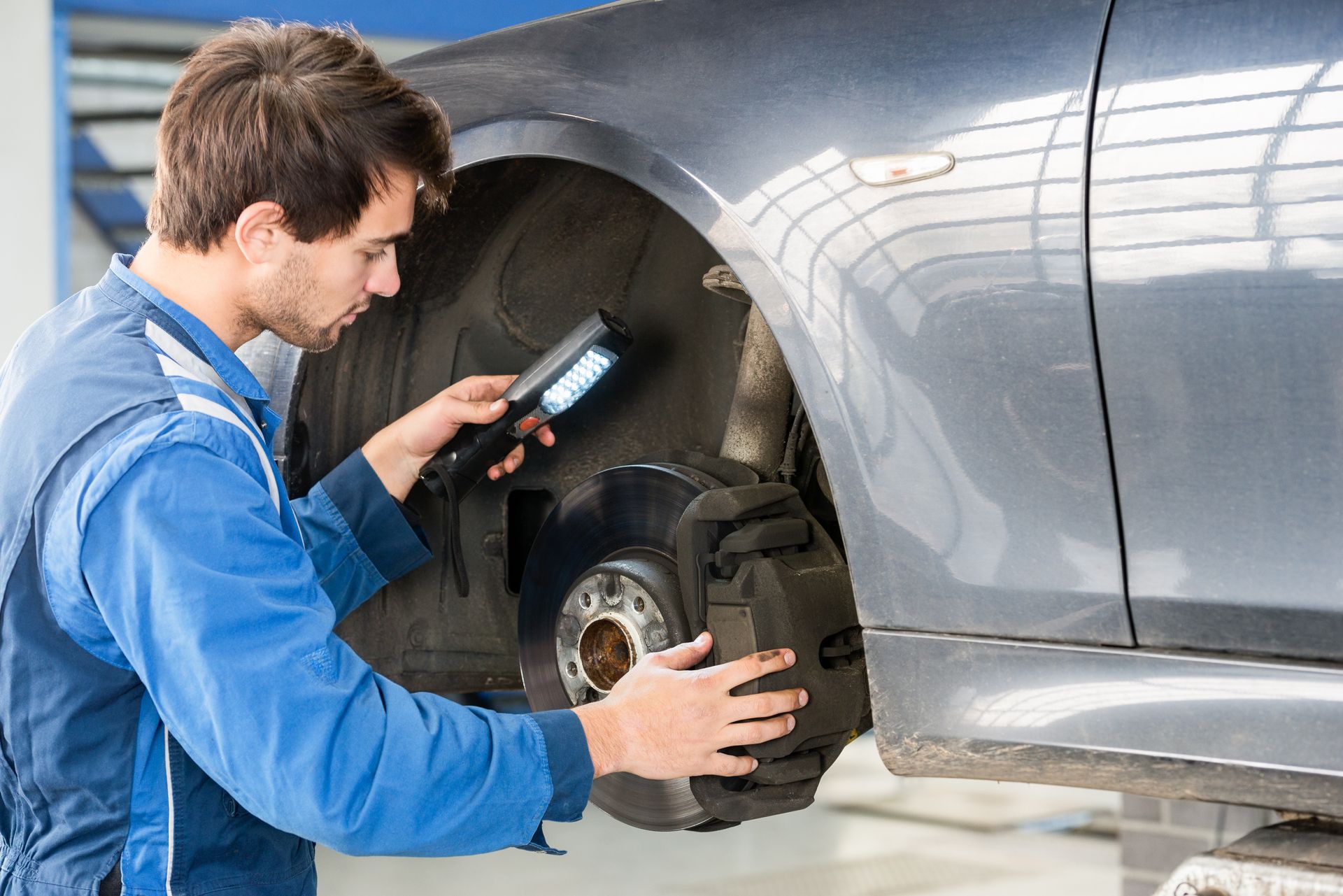
Pay attention to squealing, grinding, vibration, pulling, or a pedal that feels softer or harder than usual. Brake problems do not always begin with an obvious warning light, so changes in feel and sound matter. During a brake inspection, we can measure the remaining pad material, examine the rotors, check caliper operation, and look for problems with brake fluid or hydraulic components.
5. Replace Worn Windshield Wipers
A set of wiper blades can survive summer and still be in rough shape by fall. Heat and sunlight can harden the rubber, while dirt and debris can damage the wiping edge.
If your wipers streak, chatter, skip, or leave large areas of the windshield uncleared, they are not doing enough. Fall rain and darker commutes can make even minor streaking frustrating because glare from headlights becomes much harder to see through.
Check the washer fluid at the same time and make sure the spray nozzles are working properly. Clear visibility is one of the simplest safety improvements you can make going into the season.
6. Make Sure Your Heater And Defroster Work
You probably did not think much about the heater during summer, which makes fall the perfect time to test it before you actually need it.
Turn the heat on and make sure warm air comes through the vents. Test the front and rear defrosters as well. A working defroster becomes especially important when cooler mornings bring fogged windows.
Weak heat can sometimes point to a cooling system problem rather than a simple climate control issue. Low coolant, a thermostat problem, restricted heater core, or air trapped in the system can all affect heater performance depending on the vehicle.
Getting it checked during mild weather is much more convenient than discovering the problem during the first freezing morning.
7. Check The Cooling System
It may sound strange to worry about the cooling system as temperatures fall, but coolant works year-round. It helps regulate engine temperature while also protecting the system during freezing conditions.
Check the coolant level only when the engine is cool and look for dried residue or wet spots around the radiator, reservoir, hoses, and connections. A sweet smell near the front of the vehicle can also point to a coolant leak.
Coolant condition matters too. If the fluid is overdue for service, fall is a practical time to take care of it before freezing temperatures arrive. The correct coolant mixture helps protect against both overheating and freezing, so simply topping the system off with whatever fluid is nearby is not a good approach.
8. Test All Of Your Exterior Lights
The days get noticeably shorter during fall, which means headlights and exterior lighting start playing a bigger role in everyday driving.
Check the low beams, high beams, brake lights, taillights, turn signals, hazard lights, reverse lights, and license plate lights. A bulb may still illuminate while becoming noticeably dimmer than the one on the opposite side.
Also look at the headlight lenses. Cloudy or yellowed plastic can reduce light output even when the bulbs are working normally. If nighttime visibility has gotten worse, the issue may involve the lens condition, bulb performance, or headlight aim.
Seeing clearly matters, but so does making sure other drivers can see you when rain or darkness reduces visibility.
9. Review Your Fluid Levels And Maintenance Schedule
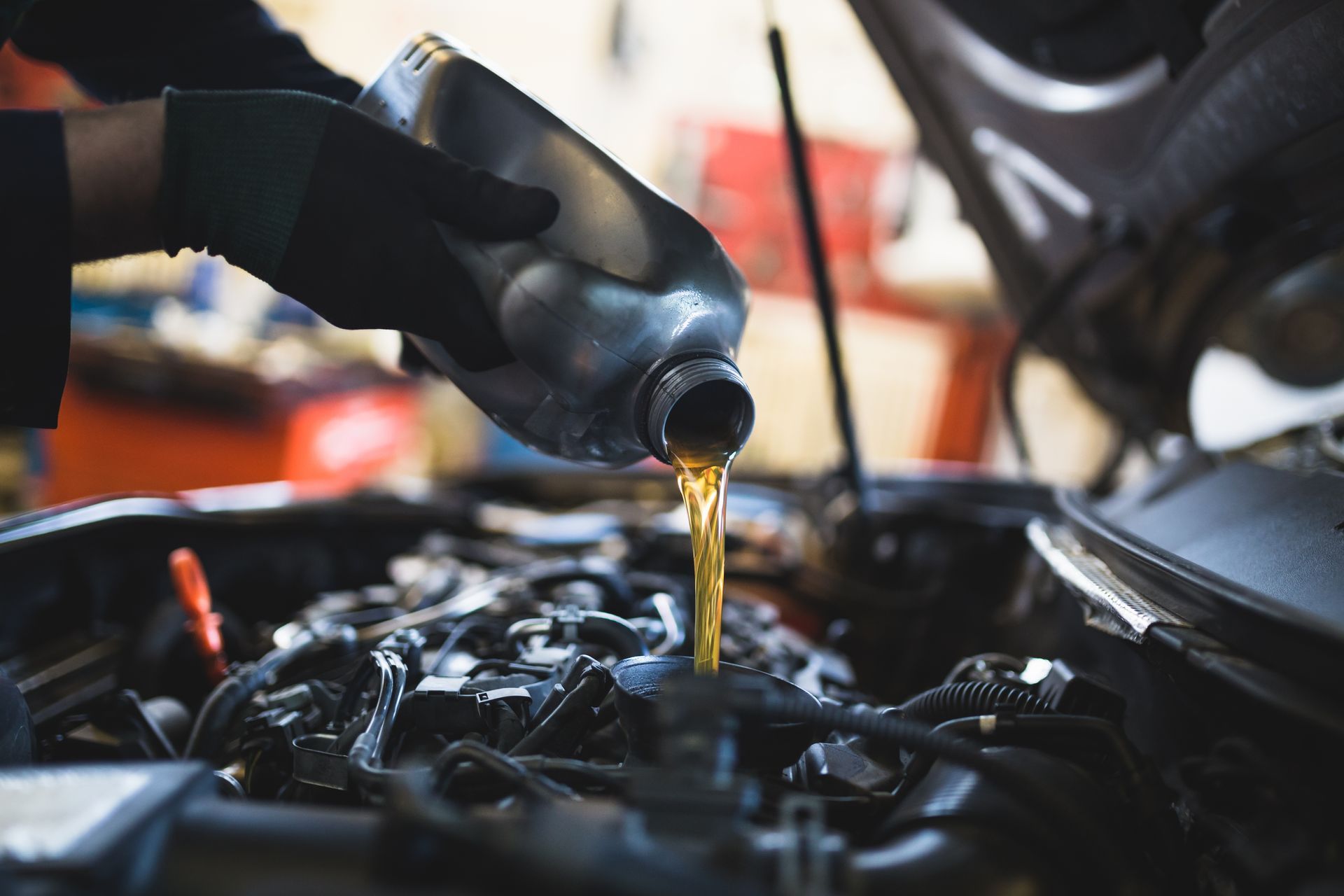
Fall is a good time to look beyond the basic oil change and review the maintenance your vehicle may be approaching.
Depending on the vehicle, important fluids may include:
- Engine oil
- Transmission fluid
- Brake fluid
- Coolant
- Power steering fluid
- Differential fluid
- Transfer case fluid
Not every fluid needs to be changed at the same interval. Some vehicles also use sealed systems or require very specific fluid types, which is why checking the maintenance schedule for your year, make, and model is important.
If you cannot remember the last time a fluid was serviced, we can inspect its condition and help compare your mileage with the recommended maintenance schedule.
10. Pay Attention To Problems You Put Off During Summer
Fall is a good deadline for all those little vehicle issues that were easy to ignore while summer was busy. Small symptoms deserve attention before cold weather adds another layer of stress to the vehicle. A weak battery becomes more troublesome in low temperatures. A minor coolant leak can become a bigger concern when freezing weather arrives. A worn tire becomes less forgiving when roads are wet or icy.
Bring those concerns up during your next visit at Integrated Automotive in Sanford, NC, even if they seem unrelated. A little context about what you have noticed can help us catch developing problems before they disrupt your winter plans.
Give Your Car A Fall Checkup at Integrated Automotive
Fall maintenance does not need to turn into a massive repair list. The goal is to look at the systems that will matter most over the next few months and take care of anything that is worn, overdue, or starting to cause trouble.
If your car is due for maintenance or you want to make sure it is ready for the colder months ahead,
bring it to
Integrated Automotive in Sanford, NC for a fall vehicle inspection.