The 30,000, 60,000, and 90,000-mile services are designed to keep wear from building unnoticed as a vehicle ages. These visits usually combine fluid checks, filter replacement, safety checks, and mileage-specific services recommended by the manufacturer.
There is no universal package that fits every car. The required work depends on the engine, transmission, drivetrain, model year, and how the vehicle is used. A technician should review the factory schedule and service history before deciding what is actually due.
What Is Usually Checked At 30,000 Miles?
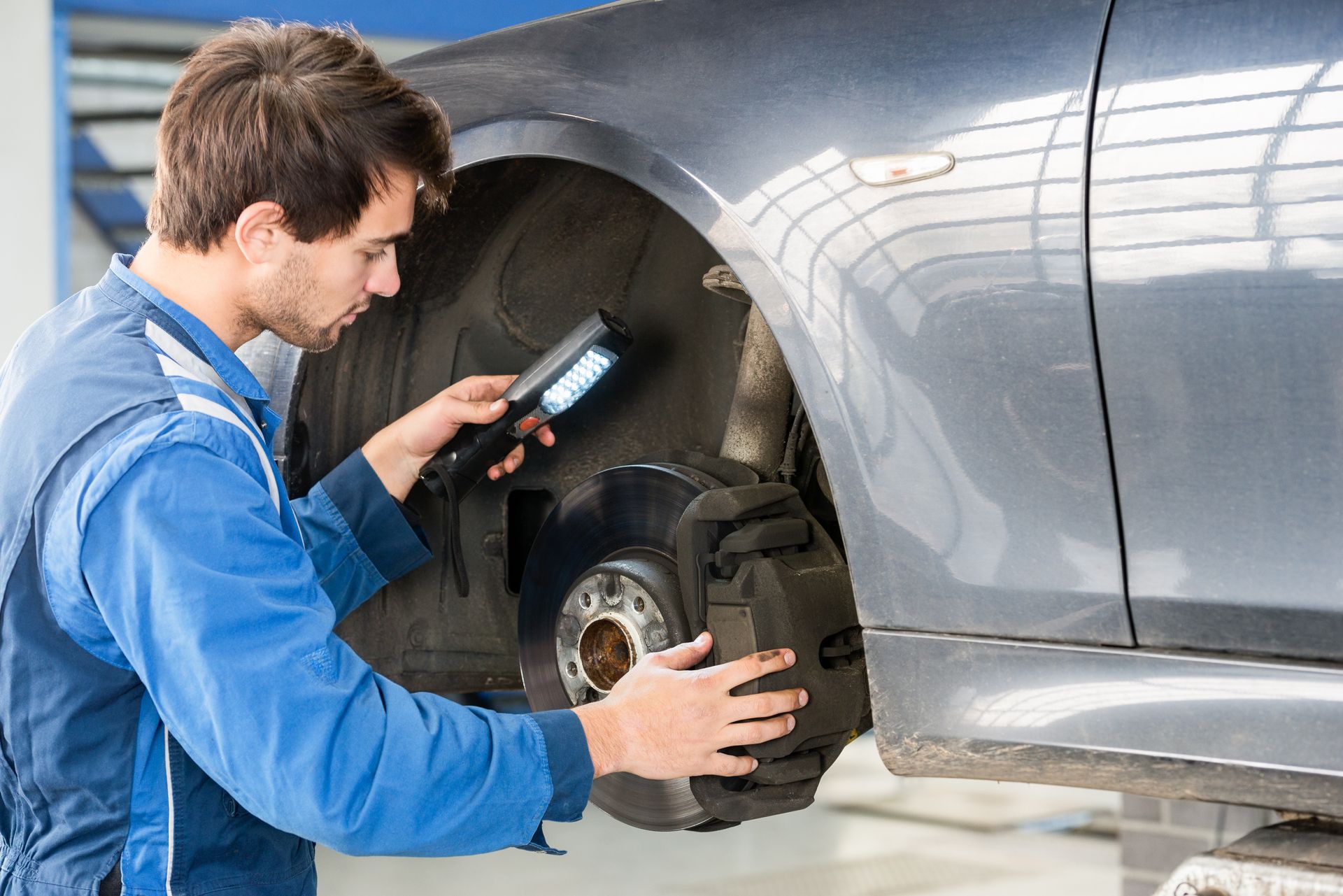
By 30,000 miles, many vehicles need more than an engine oil change. The engine air filter and cabin filter may be due, especially if the car is driven in dust, traffic, or areas with frequent road construction. Tire wear, brake condition, battery health, and fluid levels should also receive attention.
Depending on the vehicle, this visit may include transmission fluid, brake fluid, or differential service. Belts and hoses should be examined for early cracking, swelling, contamination, and weak connections. The goal is to establish a reliable maintenance baseline before age and mileage begin affecting several systems at once.
What Changes At The 60,000-Mile Service?
The 60,000-mile visit often includes many of the same checks performed at 30,000 miles, along with additional work. Spark plugs may be due on some engines, while coolant, transmission fluid, transfer case fluid, and differential oil may require service based on the manufacturer’s schedule.
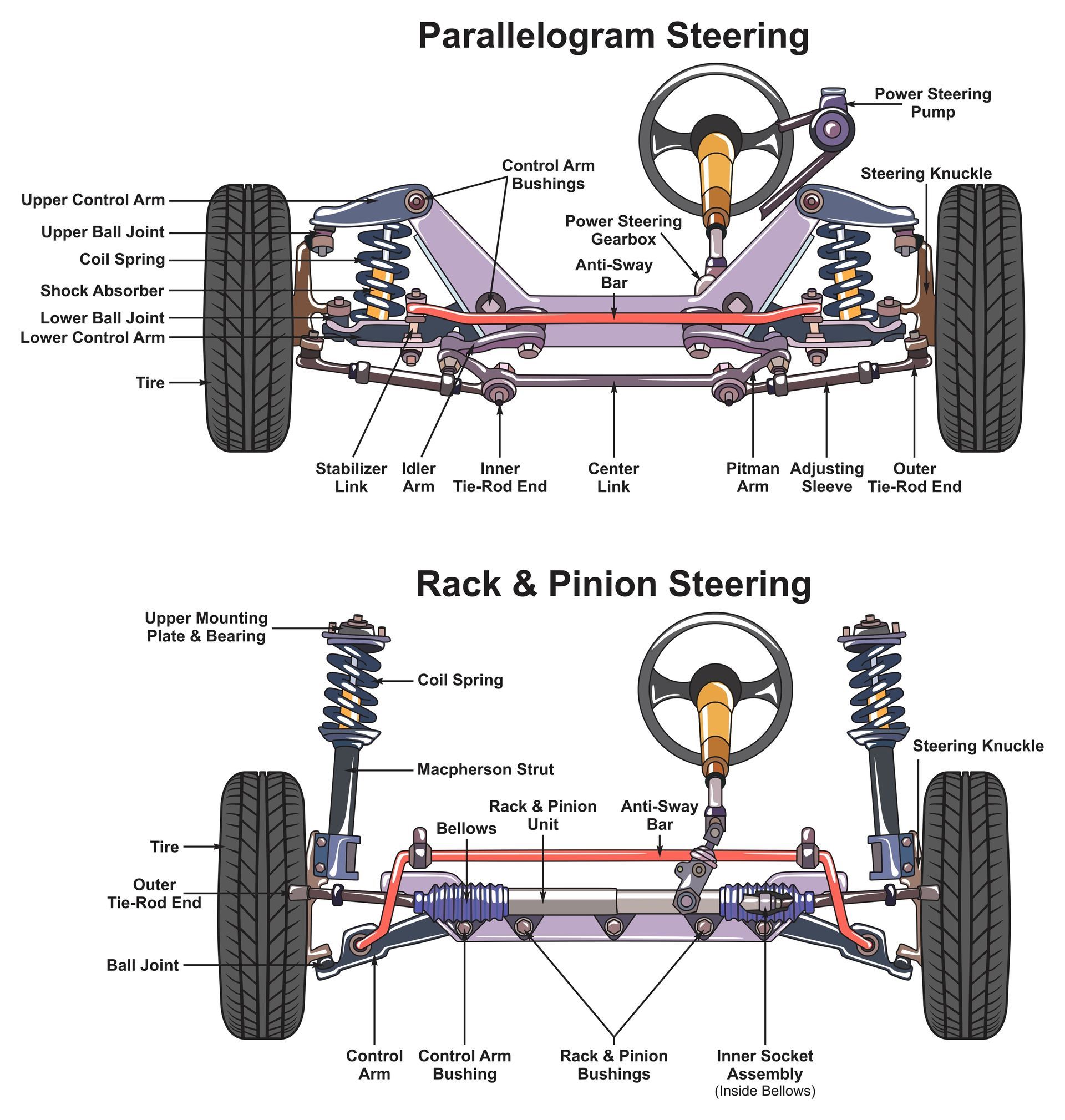
Suspension and steering wear also becomes more relevant by this point. Control arm bushings, ball joints, tie rods, wheel bearings, shocks, and struts may begin showing movement or uneven wear. An inspection can catch these problems before they damage tires or change how the vehicle responds during braking and cornering.
What Is Commonly Needed At 90,000 Miles?
At 90,000 miles, the vehicle may need a more detailed review of its ignition, cooling, drivetrain, and belt systems. Spark plugs, coolant, filters, and several fluids may be due if they were not replaced earlier. Some engines also use a timing belt that must be replaced around this mileage or according to a time limit.
Timing belt service may include the water pump, tensioner, idler pulleys, and nearby seals because these parts require overlapping labor. If the belt breaks on an interference engine, internal engine damage can occur. The exact replacement point should always be confirmed for the specific engine rather than assumed from mileage alone.
Common Services Across All Three Mileage Intervals
Although the details change, several checks are useful at every major mileage visit. These services help reveal wear that may not produce a warning light or obvious drivability symptom.
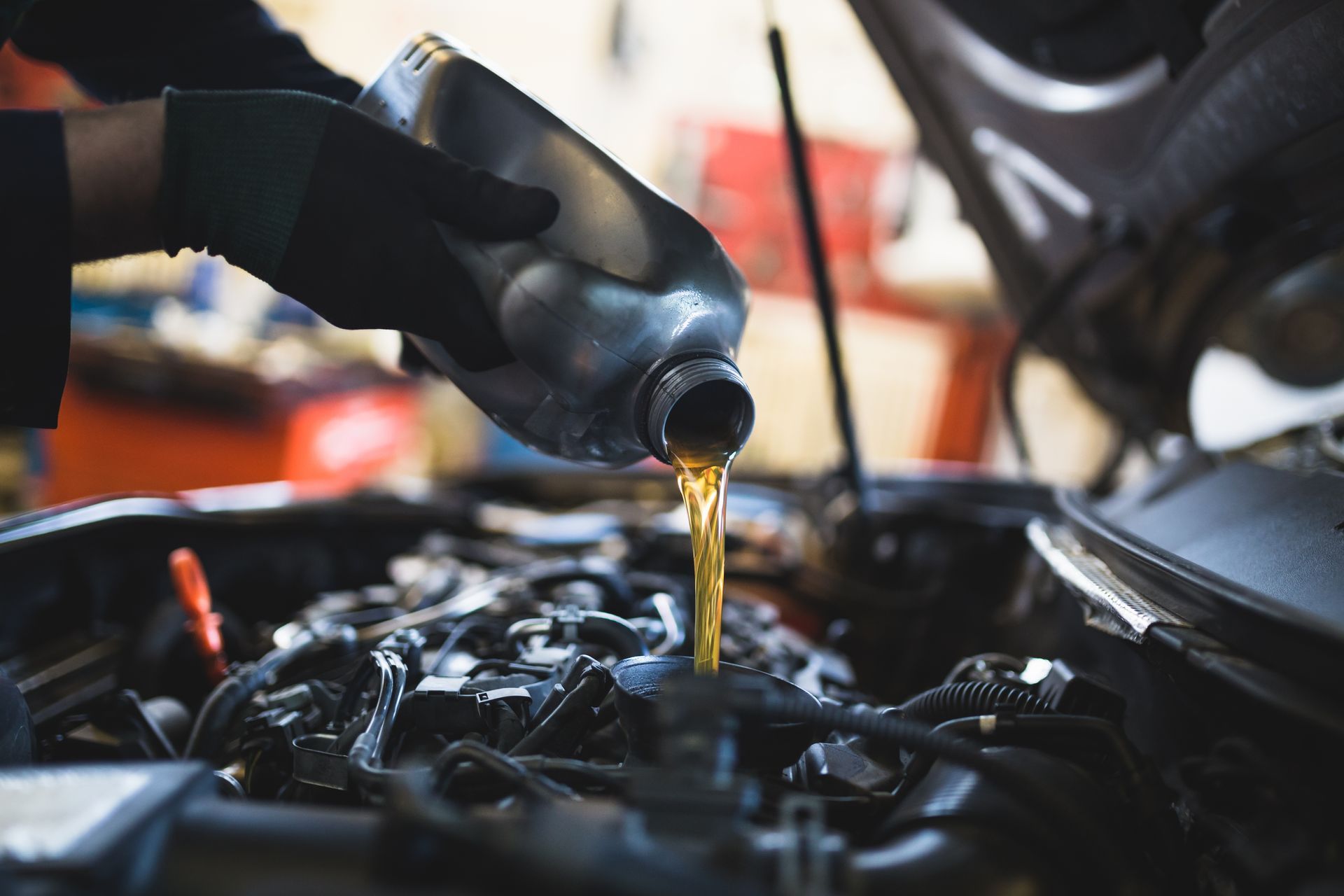
- Engine oil and filter service
- Engine and cabin air filter checks
- Brake pad, rotor, hose, and fluid checks
- Tire pressure, tread, rotation, and wear review
- Battery and charging system testing
- Cooling system and coolant leak checks
- Belt, tensioner, pulley, and hose checks
- Steering and suspension checks
- Transmission and drivetrain fluid review
- Exterior light and wiper operation
These items should not be replaced automatically simply because the odometer reached a round number. Condition, previous service, driving habits, and manufacturer requirements determine whether each part needs service now, later, or only continued monitoring.
Driving Conditions Can Change The Schedule
Vehicles used for towing, short trips, heavy traffic, dusty roads, or long idle periods may need certain services earlier. Short trips may prevent the engine and fluids from reaching full operating temperature, allowing moisture and contamination to build. Towing and heavy loads create more heat in the engine, transmission, brakes, and cooling system.
Time also affects maintenance. A low-mileage vehicle can still develop old coolant, hardened rubber, a weak battery, or contaminated brake fluid. Regular maintenance should therefore consider both mileage and age rather than relying on the odometer alone.
Why Service Records Are So Important
Complete records show which fluids, filters, spark plugs, belts, and other components have already been replaced. Without that information, a shop may have to inspect the vehicle more closely or recommend service based on current condition and manufacturer guidance.
Records also help prevent services from being repeated unnecessarily. They create a timeline for future appointments and provide useful information if the vehicle develops a leak, warning light, shifting concern, or performance change later.
How A Shop Builds The Correct Maintenance Plan
A technician can review the factory schedule using the vehicle’s year, model, engine, transmission, and drivetrain information. The visit may also include checking stored fault information, visible leaks, fluid condition, tire wear, and safety-related components.
The final plan should separate overdue work from services that are approaching. It should also identify wear that is unrelated to the mileage schedule, such as a leaking shock, weak battery, damaged tire, or sticking brake caliper. This approach keeps the appointment focused on the vehicle’s actual needs.
Get 30K, 60K, And 90K Maintenance In Sanford, NC, With Integrated Automotive
Integrated Automotive in Sanford, NC, can review your vehicle’s factory schedule and service history to determine what is due at 30,000, 60,000, or 90,000 miles.
Contact us to schedule an appointment and build a practical maintenance plan around your vehicle’s age, mileage, and driving conditions.