Steering and suspension problems do not always start with a dramatic change. A car may still drive straight enough, stop well enough, and feel safe enough for daily trips. Then a clunk shows up over one driveway entrance, or the steering wheel starts needing small corrections on the highway.
That is usually the beginning of the story.
Modern vehicles rely on many connected parts to keep the tires planted, the steering predictable, and the ride controlled. When shocks, struts, bushings, tie rods, ball joints, control arms, or tires start wearing, the symptoms can overlap quickly.
Worn Shocks And Struts
Shocks and struts help control how the vehicle moves after bumps, dips, braking, and turns. The springs carry the vehicle’s weight, but shocks and struts keep that spring movement from continuing too long.
When they wear out, the car may bounce after bumps, dip harder during stops, lean more in turns, or feel floaty at highway speeds. The ride may also feel rougher because the suspension is no longer absorbing impacts cleanly.
A leaking shock or strut is a clear clue, but not every worn unit leaks. Tire wear, body movement, noise, and ride feel should all be checked together before deciding what needs replacement.
Loose Ball Joints And Tie Rods
Ball joints and tie rods help keep the wheels controlled while steering and suspension parts move. These parts allow movement, but they should not have extra play.
When a ball joint wears, the vehicle may clunk, pop, wander, or wear tires unevenly. A worn tie rod can make the steering feel loose or delayed. The car may drift in the lane or need more correction than it used to.
These parts should not be ignored. They help control wheel position, and once they get loose, alignment and tire wear can get worse fast.
Worn Control Arm Bushings
Control arms help hold the wheels in the correct position. Bushings cushion the connection points and allow controlled movement. Over time, rubber bushings can crack, shrink, soften, or separate.
When that happens, the wheel can shift slightly during braking, turning, or hitting bumps. The driver may notice clunks, steering wander, pulling, vibration, or uneven tire wear.
Common bushing-related clues include:
- A clunk when braking or accelerating: The control arm may be moving more than it should.
- A crooked steering wheel after a pothole hit: The alignment may have shifted, or a worn part may no longer hold position.
- Uneven tire edge wear: The wheel angle may change as the vehicle moves.
- A loose feeling over rough roads: Worn rubber can allow extra movement through the suspension.
Small bushing problems can make a car feel older than it really is.
Alignment Problems
Alignment controls the wheel angles. If those angles are off, the tires may not roll cleanly on the road. The vehicle may pull, the steering wheel may sit crooked, or the tires may wear on one edge.
Potholes, curb hits, worn suspension parts, and normal wear can all affect alignment. The problem is that alignment issues are not always obvious from the driver’s seat right away.
A tire can look fine from the outside while the inner edge is nearly worn out. That is why regular maintenance should include checking the full tread, not only the visible outer shoulder.
Tire Wear And Tire Pressure Issues
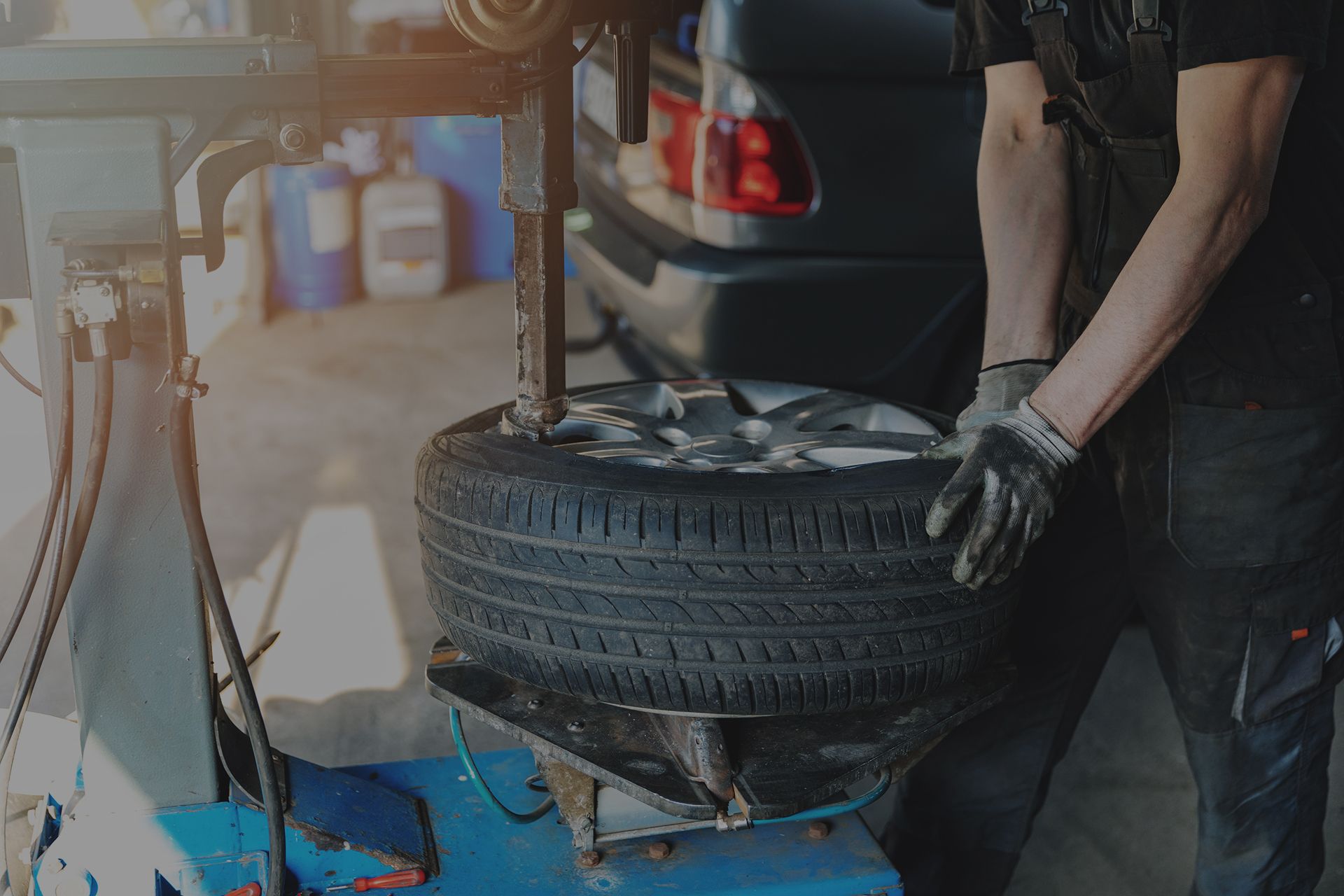
Tires can cause steering and suspension symptoms, but they can also reveal them. Low pressure, uneven tread, cupping, feathering, or a damaged tire can make the vehicle shake, pull, hum, or feel unstable.
Cupped tread often points toward weak shocks, struts, or loose suspension parts. Inside-edge wear may suggest alignment or steering concerns. A separated tire belt can cause a thumping or shaking sensation that worsens with speed.
Tire pressure should be checked cold, using the vehicle's listed pressure. The number on the tire sidewall is not the normal driving pressure. It is the tire’s maximum rating.
Road Impacts And Rough Driving Conditions
Modern suspension parts are strong, but potholes, curbs, rough roads, gravel, speed bumps, and road debris still take a toll. One hard impact can bend a wheel, damage a tire, shift alignment, or loosen a worn part that was already close to failing.
After a hard hit, pay attention to changes in the vehicle. A new pull, vibration, clunk, crooked steering wheel, or tire pressure warning is worth checking.
Sanford roads, daily commuting, and stop-and-go driving can all add wear over time. Even if there was no single big impact, repeated smaller hits can slowly wear suspension and steering parts.
Why Steering And Suspension Problems Spread
Steering and suspension parts work together. One worn part can affect another. A weak strut can contribute to tire cupping. A loose tie rod can make alignment unstable. A worn bushing can allow tire wear that ruins a good set faster than expected.
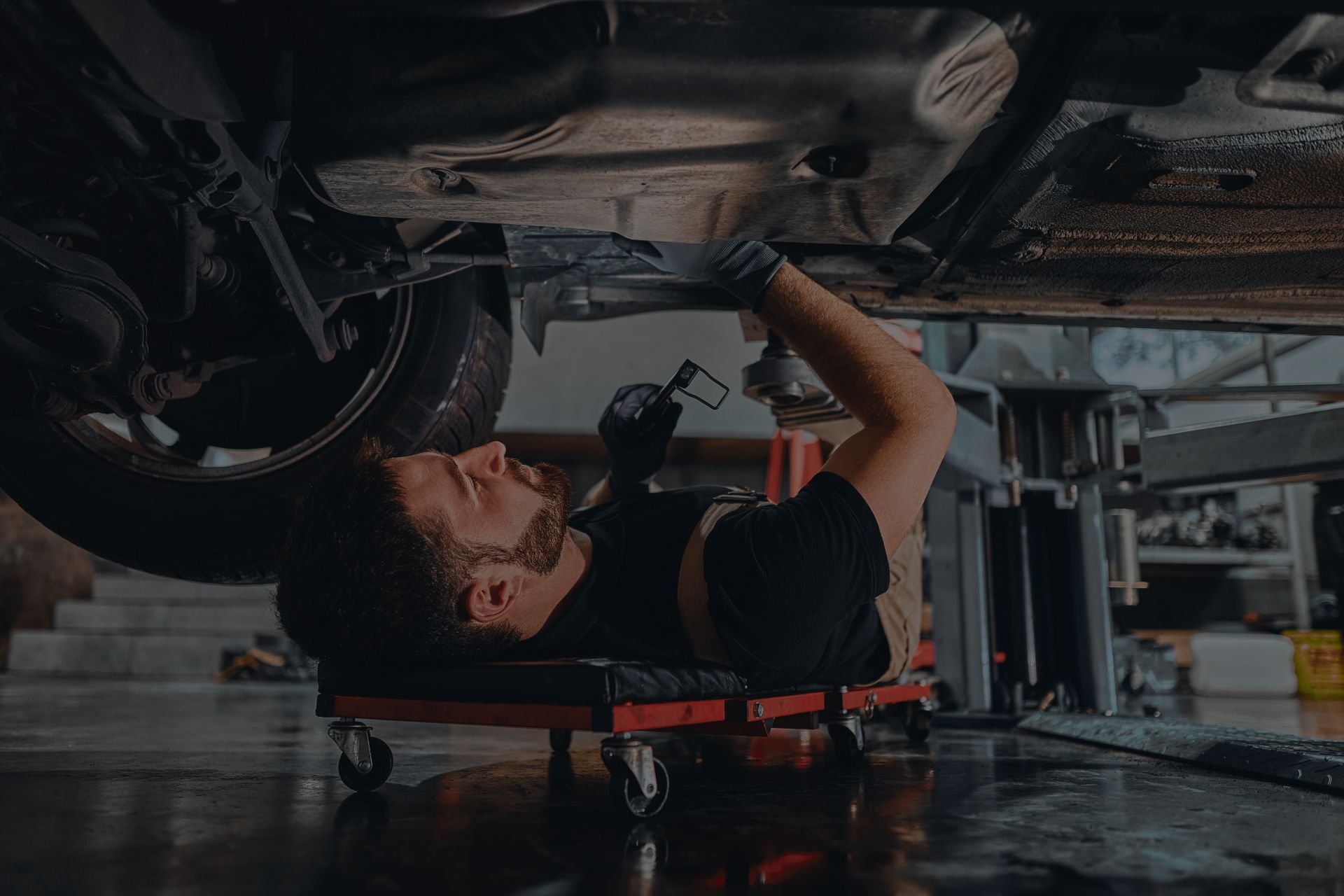
A complete inspection should examine the entire system. Tires, wheels, shocks, struts, bushings, ball joints, tie rods, springs, mounts, wheel bearings, and alignment clues all help tell the full story.
Replacing only the loudest part may not solve the problem if another worn component is causing the symptom. A careful check helps prevent repeat repairs.
Get Steering And Suspension Service In Sanford, NC, With Integrated Automotive
If your vehicle clunks, pulls, shakes, wears tires unevenly, or feels loose on the road, Integrated Automotive in Sanford, NC, can check the steering, suspension, tires, alignment, and related parts.